
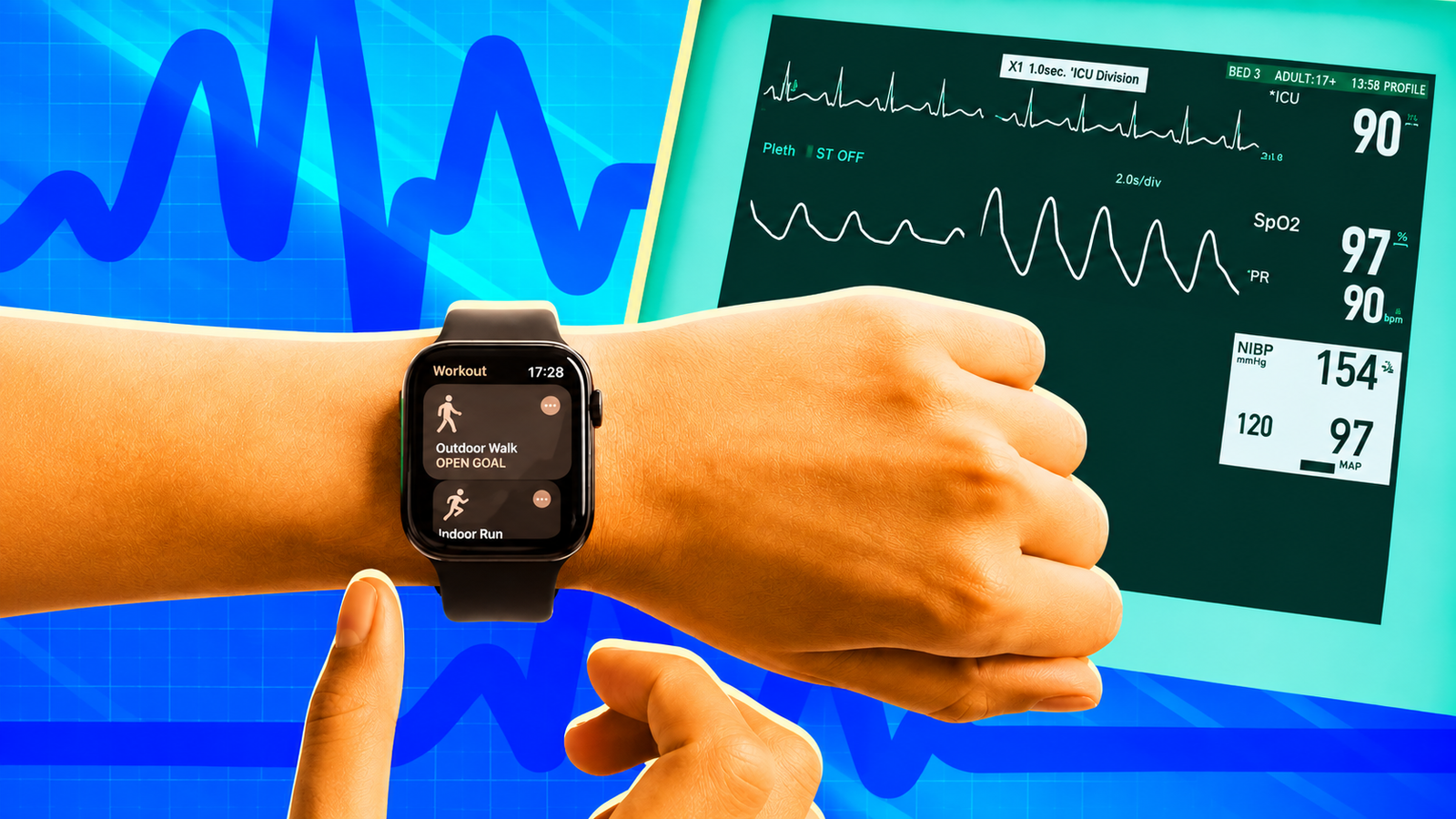
The Internet of Bodies (IoB) is a rapidly evolving concept that combines wearable technology, artificial intelligence, and health monitoring to revolutionize the way we approach healthcare. The IoB has the potential to transform the healthcare industry by providing real-time monitoring, personalized treatment, and predictive analytics. In this article, we will explore the current state of wearable technology, the potential innovations on the horizon, and the ethical implications of this emerging field.
Current State of Wearable Tech
Wearable technology has come a long way since the first fitness trackers and smartwatches emerged. Today, we have a wide range of devices that can track our vital signs, monitor our chronic conditions, and provide personalized health advice. Some examples of current wearable devices include:
– Smartwatches that can detect irregular heartbeats and alert emergency services
– Fitness trackers that can monitor our daily activity levels and provide personalized exercise plans
– Continuous glucose monitors that can track blood sugar levels and provide real-time alerts
These devices have already shown significant promise in improving healthcare outcomes and enhancing patient engagement. For example:
– A study published in the Journal of the American Medical Association found that patients who used wearable devices to track their physical activity and sleep patterns had a 12% reduction in hospital readmissions.
– The University of California, San Francisco, has developed a wearable device that can detect seizures in patients with epilepsy and alert emergency services.
Future Innovations
The IoB is poised for significant growth and innovation in the coming years. Some potential developments on the horizon include:
– Artificial Intelligence (AI) Integration: AI algorithms will enable wearable devices to provide more accurate and personalized health recommendations, predict potential health risks, and identify early warning signs of chronic conditions.
– Blockchain and Secure Data Storage: Blockchain technology will ensure secure, decentralized, and transparent storage of health data, giving patients full control over their information and enabling secure sharing with healthcare providers.
– Genomics and Personalized Medicine: Wearable devices will incorporate genetic data to provide tailored health advice, predict disease susceptibility, and enable targeted therapies.
– Implantable and Ingestible Devices: Next-generation wearables will include implantable devices, such as pacemakers and implantable cardioverter-defibrillators, and ingestible sensors, like smart pills, to monitor vital signs and track medication adherence.
– Bio-Sensing Tattoos and Wearable Skin: Bio-sensing tattoos and wearable skin will enable continuous monitoring of vital signs, such as heart rate, blood pressure, and blood glucose levels, in a non-invasive and discreet manner.
For example:
– The University of Chicago has developed a wearable device that can detect breast cancer from a single drop of blood.
– The National Institutes of Health has funded research on a wearable device that can detect Parkinson’s disease from a patient’s gait and movement patterns.
Ethical Implications
The IoB raises several ethical concerns, including:
– Privacy and Data Security: The collection and storage of sensitive health data pose significant risks to patient privacy and data security.
– Bias and Discrimination: AI algorithms may perpetuate existing biases and discrimination in healthcare, exacerbating health disparities.
– Autonomy and Agency: Patients may feel pressured to share their health data or conform to certain health standards, compromising their autonomy and agency.
It’s crucial to address these ethical concerns proactively to ensure that the IoB benefits all individuals equitably and respects their rights and dignity.
Personalized Medicine and the Future of Healthcare
The IoB has the potential to revolutionize healthcare by enabling personalized medicine. With the help of AI, genomics, and real-time monitoring, healthcare providers can:
– Tailor treatments to individual patients based on their unique genetic profiles, medical histories, and lifestyle factors.
– Predict and prevent diseases by identifying early warning signs and risk factors.
– Optimize drug development by using AI to identify potential drug targets and predict treatment outcomes.
– Improve patient engagement by providing personalized health advice and empowering patients to take control of their health.
The IoB will also enable a shift from reactive to proactive healthcare, focusing on prevention and early intervention rather than treating illnesses after they arise. This personalized approach will lead to better health outcomes, reduced healthcare costs, and improved patient satisfaction.
Conclusion
The Internet of Bodies has the potential to transform healthcare as we know it. With its ability to provide real-time monitoring, personalized treatment, and predictive analytics, the IoB will revolutionize the way we approach healthcare. However, it’s crucial to address the ethical implications and ensure that this technology benefits all individuals equitably. As we embrace this exciting future, let’s prioritize responsible innovation and harness the power of the IoB to create a healthier, more compassionate world for all.