
Ugandan hiphop had already established its roots long before GNL Zamba came along. By the time he emerged in the mid-2000s, rap music had spent nearly two decades infiltrating Uganda’s local music industry from the late 1980s.
The groundwork had been laid by crews and artists such as Bataka Underground, Klear Kut and Rocky Giant. The earlier acts had moved beyond the underground, securing records, performing at shows across the country and earning recognition for their contribution to the growing hiphop culture. In 2007, Rocky Giant had even won the prestigious PAM Award, demonstrating that Ugandan rap was already capable of receiving mainstream recognition.
It was against this backdrop that audiences were introduced to a young GNL Zamba on screen in ‘Utake Anthem’ in early 2007.
A Different Kind of Lyricist:
What immediately distinguished GNL was his approach to language. Ugandan rappers had been rhyming for years, but Zamba came with a distinctive combination of witty punchlines, intricate wordplay and clever manipulation of syllables. There was an intellectual quality to his music that made him stand out from the growing pool of rappers.
Before his major breakthrough, he built momentum through local radio tours, singles, live appearances and lyrical exercises, including rap battles that helped sharpen his reputation off the record.
When ‘Sooda Jinjale’ Arrived:
Featuring Unique’s sensational vocals on the hook, ‘Sooda Jinjale’ was a crossover hit single. Part of its appeal was its familiarity. The chorus drew from a popular beverage radio advertisement that had circulated during the 1980s and 1990s, connecting older listeners to something they already recognized while GNL’s subject matter, in turn, spoke to a younger generation hence bridging generations.
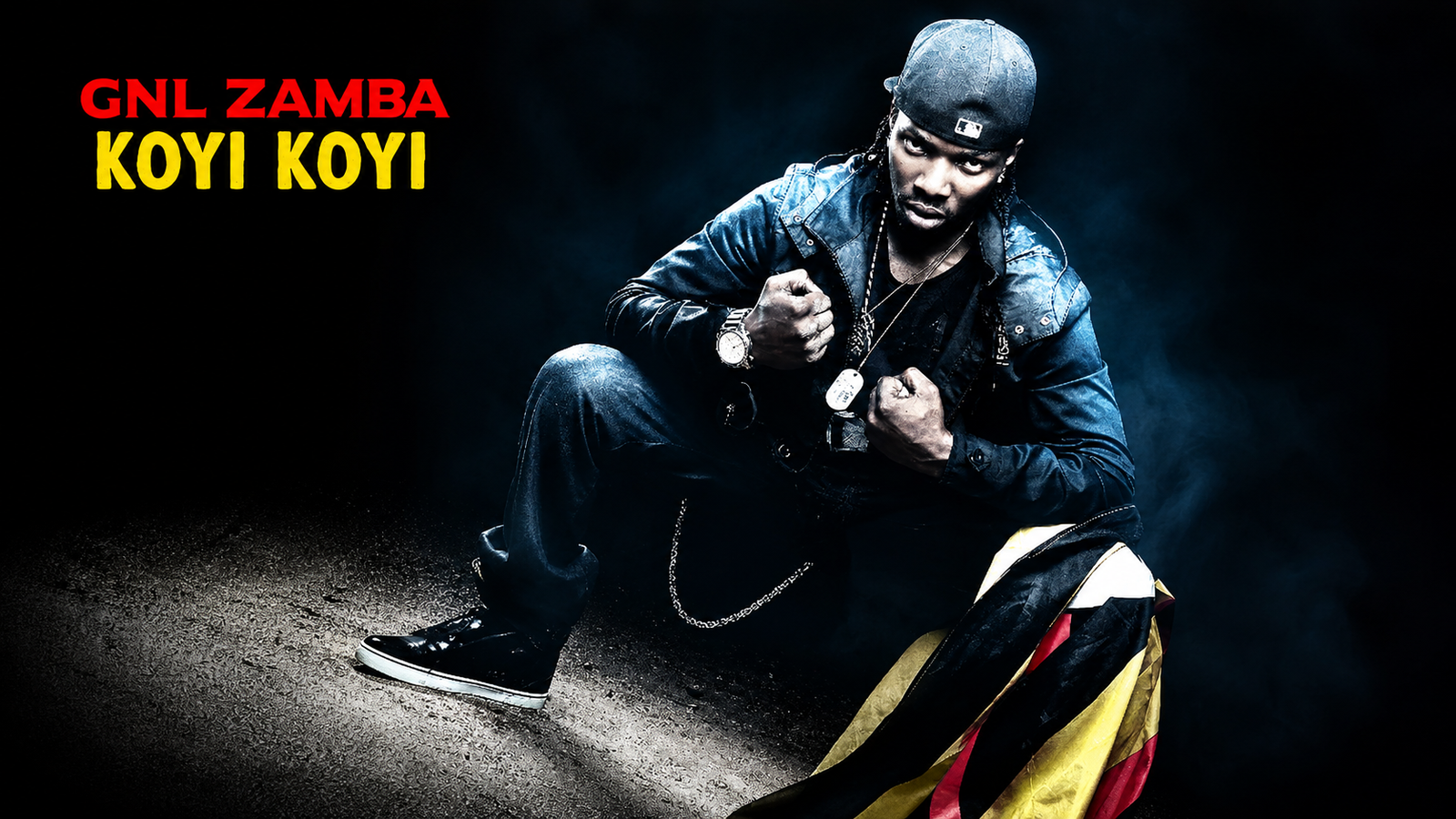
He then did notable features, further establishing his presence before ‘Koyi Koyi’ was released in 2008. The single was a major hit and eventually lent its name to the album that would later be released in 2009.
The title ‘Koyi Koyi’ itself is adapted from Luganda children’s play rhymes. The phrase, though familiar, is philosophical. ‘Koyi Koyi’ is an abstract question, an attempt to solve the riddles of life. The answers to the question are the cheat codes for the puzzle, while the process of searching for those answers requires an individual to continually realign themselves with fundamental truths, learn from experience and adapt in order to survive. This combination of familiar Ugandan cultural references and sophisticated lyrical thinking was key to GNL’s appeal.
‘Koyi Koyi’ extended beyond radio play. GNL’s growing popularity culminated in a historic full-capacity show at Kyaddondo Rugby Grounds in August 2009, one of the largest event venues available to Ugandan performers at the time. The significance of that concert was not simply that a rapper had attracted a large crowd. It demonstrated that an artist whose music was built heavily around Luganda lyricism could command a mainstream audience at a scale traditionally associated with other popular music genres at the time. ‘Koyi Koyi’ had helped make hiphop palatable to an audience that might previously have considered rap music too exotic. It created an audience with a kindled appetite for Lugaflow.
How later generations were inspired:
A generation of Lugaflow artists emerged who drew inspiration from elements of GNL’s approach. His lyrical patterns, wordplay, punchlines and technical Luganda rap became reference points for artists attempting to build careers within the genre. GNL did not invent Luganda rap. Artists had been using local languages in hiphop long before him. What he accomplished was push the form further into the mainstream.
The influence of ‘Koyi Koyi’ has remained visible long after its original release. Later artists have acknowledged GNL’s influence through tributes and reinterpretations, including projects such as ‘Koyi Koyi Remix’ and ‘Dear Zamba’.
GNL Zamba’s contribution was therefore not simply the release of a successful album but also in establishing a blueprint for how Ugandan hiphop could sound.