Throughout this series, we’ve explored the diverse ways cultural knowledge has been passed down through generations. But in our fast-paced world, how do we ensure these traditions don’t become relics of the past? Education plays a critical role, acting as a bridge between the wisdom of our ancestors and the minds of future generations.
Formal vs. Informal Education: A Two-Pronged Approach
Cultural transmission happens on two key stages: formal education systems and informal community-based learning. Let’s delve into the unique strengths of each:
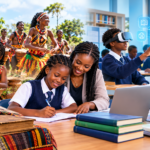
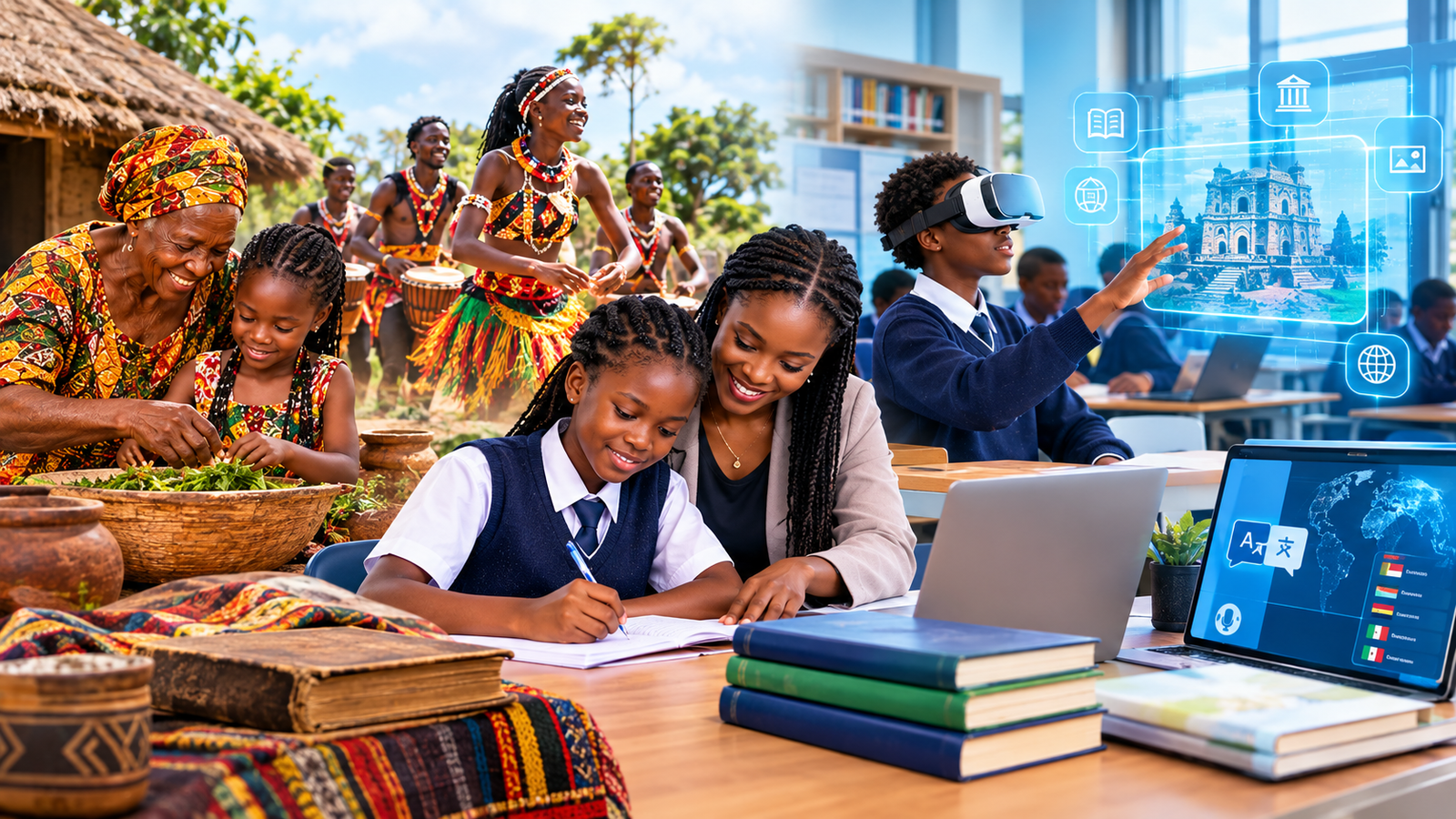
Formal Education: Seeding Knowledge: Schools and universities have the power to introduce students to the rich tapestry of cultural heritage. Curriculums that incorporate traditional stories, art forms, and languages ensure a foundational understanding of cultural legacy.
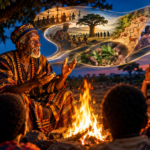
Informal Education: The Power of Lived Experience: Formal education provides a strong base, but true cultural knowledge often thrives in informal settings. Think of a grandmother teaching her granddaughter a family recipe, or a community gathering where traditional music and dance are shared. These experiences create a deeper connection to the culture and foster a sense of ownership.
The ideal scenario is a synergy between formal and informal education. Schools can incorporate guest speakers from cultural communities, or organize field trips to museums and cultural centers. Communities, on the other hand, can create mentorship programs connecting elders with younger generations.
Innovation in Education: Preserving the Past for the Future Technology and innovative approaches are breathing new life into cultural preservation efforts:
Digital Archives and Online Resources: Online platforms can house vast collections of cultural artifacts, stories, and recordings, making them accessible to a wider audience.
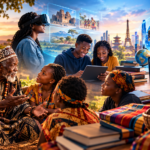
Immersive Learning Experiences: Virtual reality and augmented reality offer new ways to experience cultural traditions, allowing users to virtually visit historical sites or participate in traditional ceremonies.
Revitalizing Indigenous Languages: Interactive language learning apps and online communities are being used to revitalize endangered indigenous languages, ensuring their survival for future generations.
The Responsibility We Share
Education isn’t just about acquiring knowledge; it’s about fostering understanding and appreciation for cultural diversity. By supporting innovative educational initiatives and actively participating in the transmission of cultural knowledge within our own families and communities, we ensure the vibrant tapestry of human experience continues to inspire and enrich future generations.