Uganda’s entertainment industry is in the middle of an evolution—one powered by a rise in local content, an engaged audience, and a digital wave reshaping how art is created, shared, and consumed. From the explosion of streaming platforms to new monetization models and a growing culture of professionalism, the creative scene is no longer just thriving—it’s redefining itself.
To bring it all into focus, here are five key movements that are not only shaping but actively steering the future of Uganda’s entertainment landscape—and how they’re changing the game.
Cipher 360 Degrees
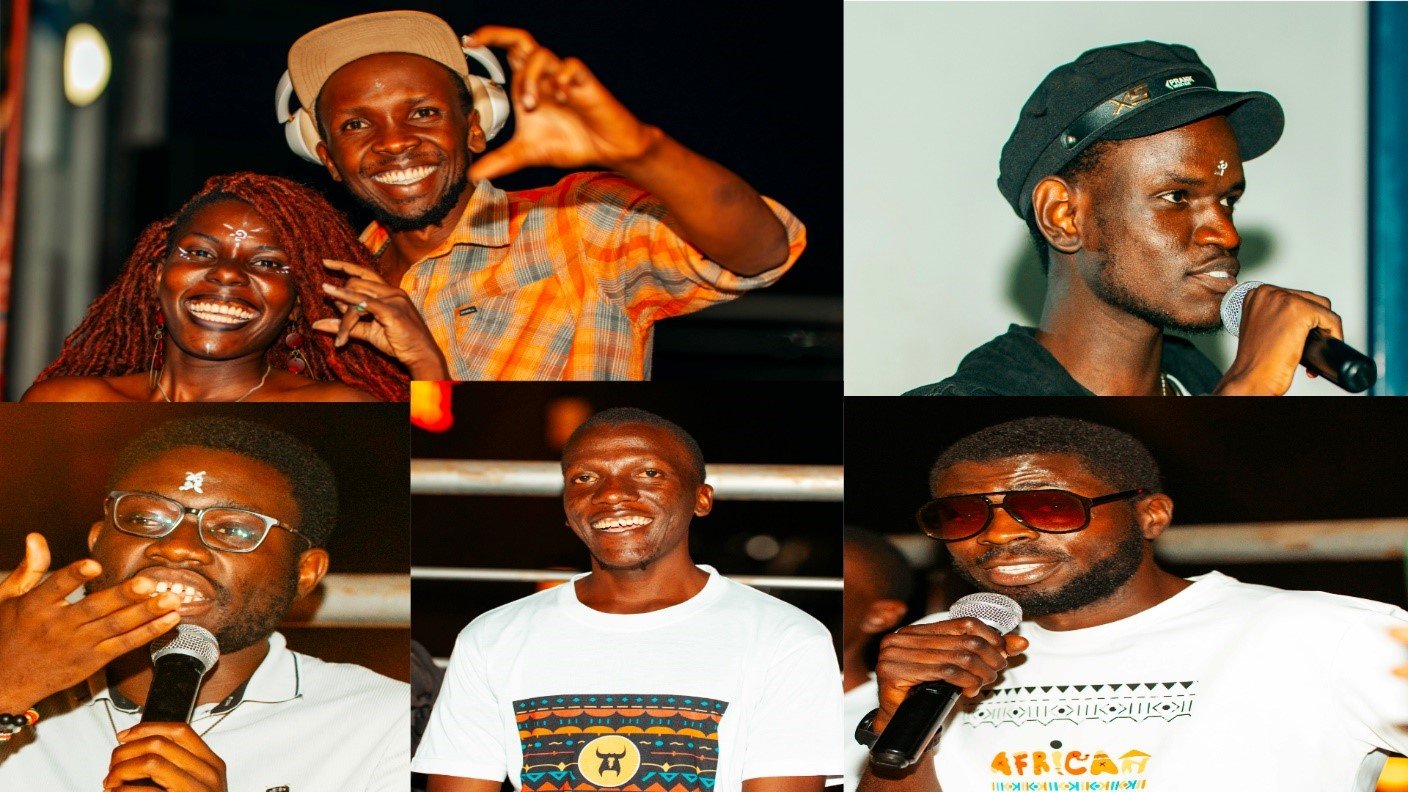
A dynamic collective of creatives spanning music, fashion, and media. At its core, the initiative is driven by a shared mission: to redefine the direction of Uganda’s creative landscape through knowledge-based approaches and a deeper understanding of the artistic self.
Cipher 360 Degrees seeks to nurture not just talent, but awareness—encouraging artists to engage with their craft more consciously and intentionally. By grounding creativity under intentional direction and comprehensive decision making, this movement is ushering in a new era where initiated artists take the mantle in spearheading the change that they desire to see in their society.
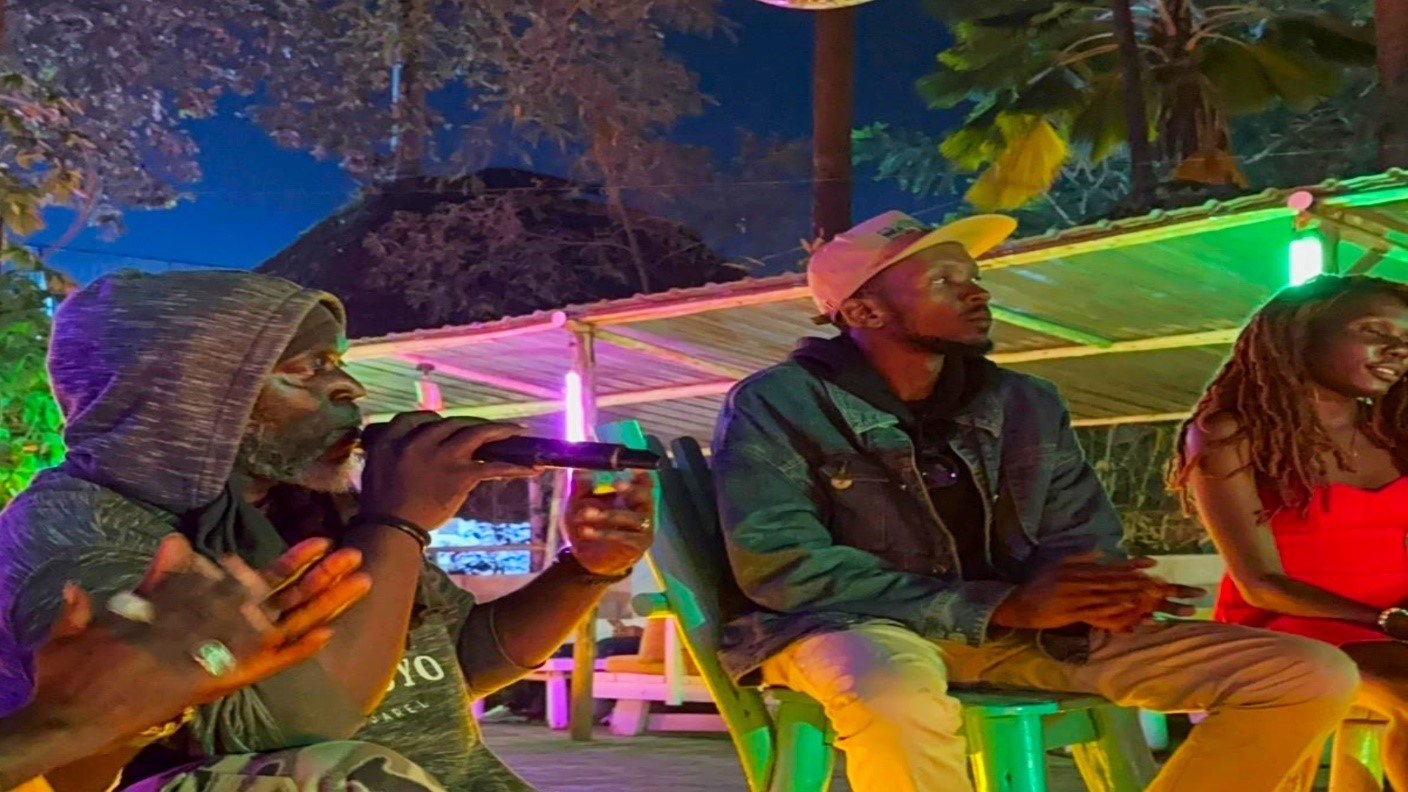
Beyond individual growth, Cipher 360 degrees champions unity—fostering public dialogue by creating safe spaces for conversation and putting effort towards financial education. In doing so, it is not just influencing art; it’s building a culture where creativity is both purposeful and sustainably empowered.
The Impact of Digital Animation And VFX
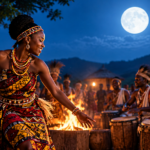
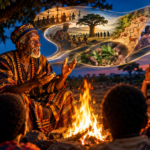
Increasingly, creatives are turning to animation to recreate local folktales, folklore, and cultural narratives, translating them into visually compelling digital experiences that resonate with modern audiences.
VFX creates or enhances imagery that cannot be captured during live-action filming. From building entire digital worlds to adding subtle visual enhancements, VFX expands the boundaries of what’s creatively possible. In Uganda’s context, this means filmmakers and storytellers are no longer limited by physical resources or locations—they can bring imagination to life in ways that were previously out of reach.
Animation, on the other hand, offers a versatile medium for storytelling—one that climbs around language, geography, and even age barriers. Whether through 2D or 3D formats, animation allows creators to preserve cultural heritage while presenting it in fresh, engaging ways that appeal to both local and global audiences.
The impact of this is a move toward tech-enabled storytelling, where digital skills are becoming just as essential as traditional artistic talent. It’s also opening up new career paths, facilitating creation of quality and more online-based sharing of content to reach an unprecedented audience on platforms like YouTube, social media.
Emphasis on Quality Audio Visual
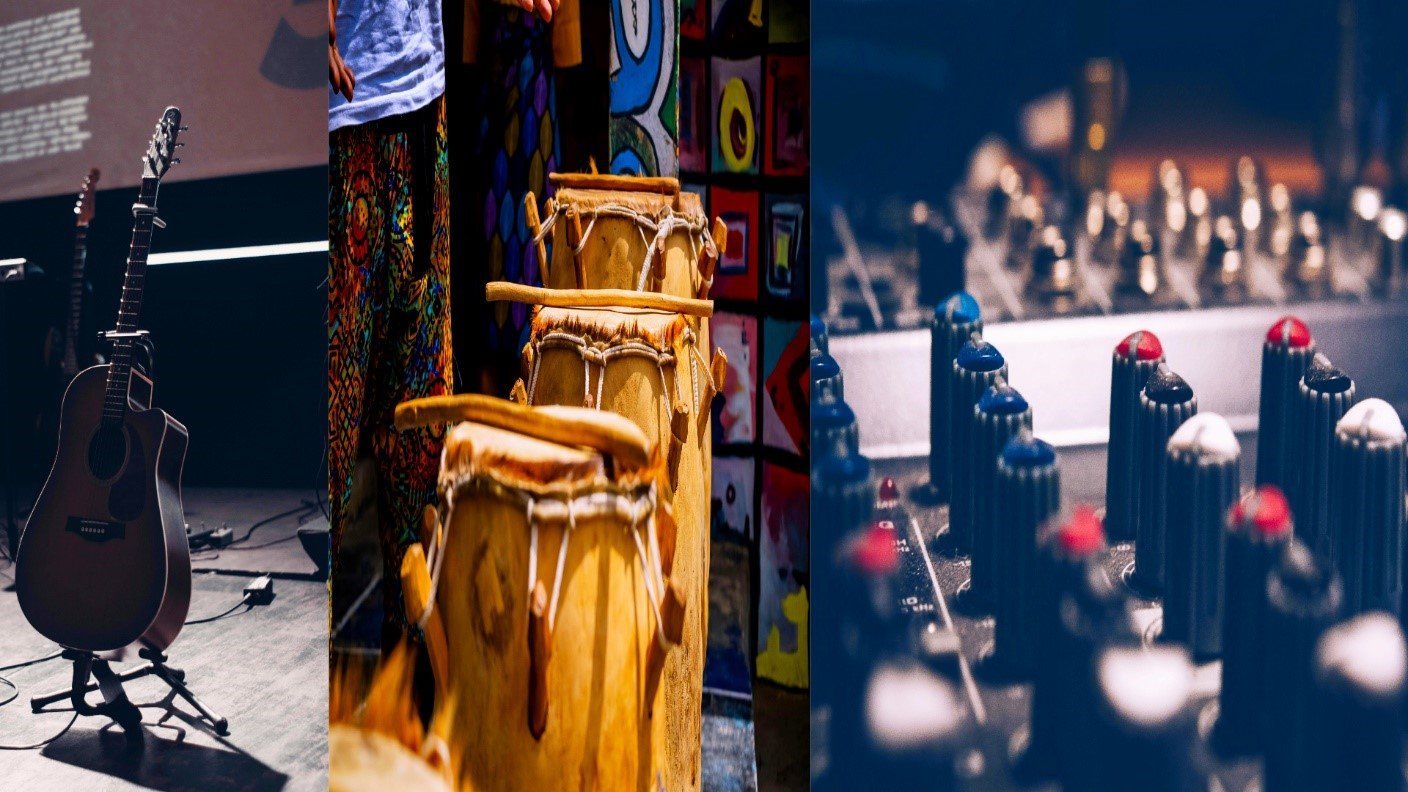
The growing emphasis on high-quality audio and visual production is steadily phasing out low-budget, gimmicky content that struggles just to hold audience attention.
Today’s audiences are more discerning than ever. With exposure to global standards through digital platforms, viewers and listeners have developed a taste for polished, immersive content. The audience expectations have risen. Poor sound design, shaky visuals, and rushed editing are no longer easily overlooked—they disrupt the experience and reduce the likelihood of repeat consumption. In contrast, high production quality creates a seamless, engaging encounter that keeps audiences coming back.
At a deeper level, strong audio-visual production enhances storytelling itself. Crisp sound, intentional lighting, clean cinematography, and thoughtful editing work together to evoke emotion, build atmosphere, and communicate ideas more effectively.
This shift is also reshaping industry standards. Artists, filmmakers, and content creators are investing more in professional equipment, skilled production teams, and post-production processes. The result is content that not only competes locally but also holds its own on international platforms.
Most importantly, high-quality production directly boosts viewership and audience retention. When content looks and sounds professional, it builds credibility and trust with the audience. Viewers are more likely to share it, recommend it, and engage with it repeatedly. In an era driven by algorithms and digital visibility, this level of engagement is crucial—it increases reach, strengthens brand identity, and opens up monetization opportunities.
Collaboration
In this modern connected world, collaboration across countries is no longer a luxury—it’s a necessity. Ugandan artists, filmmakers, designers, and producers are partnering with counterparts across Africa and beyond, blending diverse styles, perspectives, and influences to create work that can capture a global scale attention. These collaborations are not just artistic—they are strategic, opening doors to new markets, audiences, and opportunities that would otherwise remain out of reach. This basically allows creatives to tap into different fanbases, increasing visibility and accelerating growth. A song featuring an artist from another country, a film co-produced with an international team, or a fashion project that merges multiple cultural aesthetics travels further and faster, reaching audiences that are eager for fresh, hybrid content.
Beyond reach, these partnerships elevate the quality and depth of creative output. Exposure to new techniques, technologies, and industry standards pushes artists to innovate and refine their craft. Importantly, cross-border collaboration contributes to cultural storytelling on a larger stage. It allows Ugandan creatives to export their narratives while simultaneously engaging with global conversations.
Diversification
At the heart of this shift is the reinvention of traditional sounds. Take kadongokamu, for instance—a deeply rooted Ugandan genre, often likened to country music, which was once the most porpular household music decades ago. While its influence had faded among younger audiences, it is now experiencing a revival through fusion with modern sounds such as hip-hop, Afrobeats, and contemporary pop. By blending its deep storytelling and melodic structure with current production styles, artists are reintroducing kadongokamu in a way that feels fresher and more appealing to today’s youth.
This kind of genre-blending does more than modernize old sounds—it creates entirely new sonic identities. It bridges generations, connecting the past with the present, while also making local music more accessible to international audiences who may not understand the language but identify with the rhythm, style, and emotion. More broadly, this diversification reflects a growing confidence within the creative community. Artists are no longer confined inside rigid genre boundaries; instead, they are experimenting freely, drawing from both heritage and global influences to craft unique expressions.