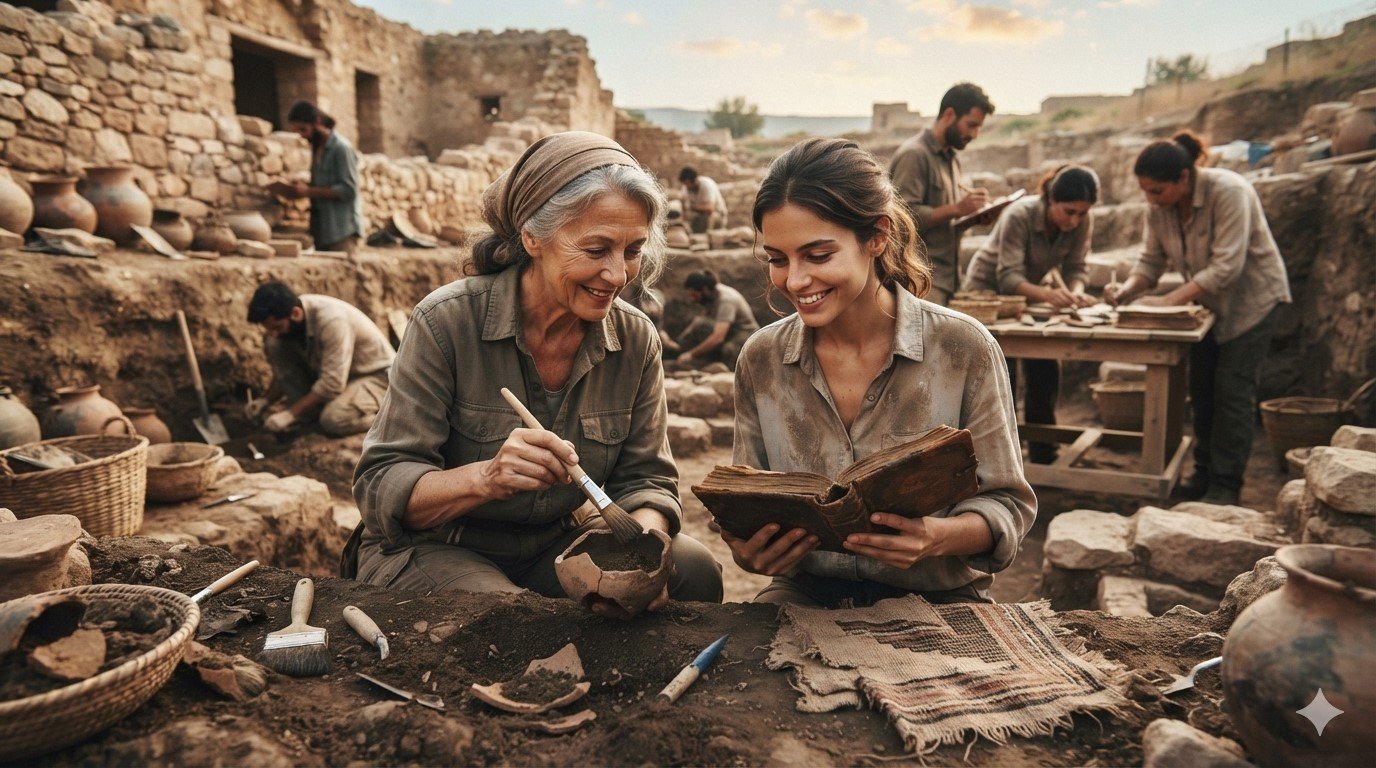
Have you ever wondered what makes a community truly unique? It’s the invisible thread that weaves through generations, a rich tapestry of traditions, values, and knowledge – their cultural legacy. This legacy is the foundation upon which their identity is built. Throughout history, cultures have developed ingenious ways to pass down their wisdom. In some communities, stories were woven into songs and dances, ensuring their survival for generations. Others relied on intricate rituals and ceremonies to impart knowledge about the natural world and the spirit realm. Even the creation of everyday tools became a form of knowledge transmission, each stitch in a garment or curve of a pottery piece carrying the weight of experience.
Understanding cultural legacy is like piecing together a magnificent mosaic. Each shard, each tradition, and each story contributes to the bigger picture. By delving into these foundations, we gain a deeper appreciation for the richness of human experience and the enduring power of wisdom passed from one generation to the next.
Understanding Cultural Legacy:
Imagine the world as a vast tapestry with threads of crimson and gold, bold and delicate patterns. This is more than just a pretty image – it’s a metaphor for our cultural legacy. The stories, beliefs, skills, and traditions define us as humans, not just as individuals, but as part of something larger. It’s a wellspring of identity and a guidepost through an ever-changing world.
Some might say, “But we have books and libraries, the internet holds all the world’s knowledge!”
And yes, these are wondrous tools. Yet, cultural legacy isn’t merely information. It’s the living transmission of something more intangible – a worldview, a sense of belonging, the hard-won wisdom of what it means to be human in a specific time and place.
Historical Overview of Knowledge Transmission:
Before scrolls were penned or keystrokes echoed, knowledge flowed differently. Let’s dip our toes into the stream of time
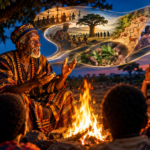
The Power of the Spoken Word: From West African griots – the keepers of oral history – to the epic poems that shaped ancient Greece, storytelling was central. Knowledge wasn’t simply absorbed passively but through the very act of participating in a shared cultural experience.
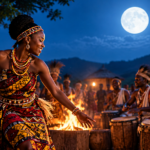
Rituals as Teachers: The rituals observed by a community, from harvest festivals to coming-of-age ceremonies are packed with symbolism and encode vital lessons about the natural world and societal values.
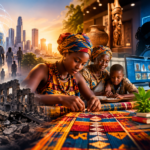
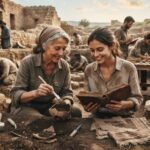
Hands-on Heritage: Think of a grandmother teaching her grandchild to weave, or a blacksmith’s apprentice learning the secrets of fire and metal. Traditional crafts ensure practical skills live on, fostering a unique bond between creator and creation.
A Note on “Primitive”: The word “primitive” sometimes carries a judgment that these modes of knowledge are outdated. The truth is, they embody a deep connection often lacking in our digitally saturated lives. It’s not about idealizing the past, but recognizing that we can draw profound wisdom from studying how our ancestors preserved and passed on what they knew and felt.
The Stakes Are High. But first, a question to ponder: Is there a piece of your cultural legacy– a story, a song, a skill – you cherish? What meaning does it hold for you?
Cultural Legacy and Knowledge Transmission: The Enduring Tapestry
Traditional Methods of Knowledge Transmission
We’ve established that cultural legacy is the cornerstone of a community’s identity. But how exactly is this knowledge passed down? Buckle up, because we’re about to embark on a whirlwind tour of some truly ingenious methods:
The Weaver’s Wisdom: Imagine a tapestry, its threads whispering stories of the past. In many cultures, knowledge was woven into the very fabric of everyday life. Think of intricate embroidery patterns that held medicinal secrets or the rhythmic beats of a drum that conveyed complex messages.
Songs of the Ancestors: For some communities, music was the memory keeper. Epic poems chanted by bards recounted historical events and cultural values. Lullabies soothed not only babies but also passed down folktales and ancestral wisdom.
Learning by Doing: In some cultures, the act of creation itself was a form of knowledge transmission. Imagine an apprentice jeweler, meticulously observing a master craftsman at work, slowly absorbing the techniques and philosophies embodied in each delicate movement. This hands-on approach fostered a deep understanding that transcended mere words.
The School of Nature: Many cultures held a deep reverence for the natural world, viewing it as a teacher. Animal behavior, the cycles of the seasons, the properties of plants – these were all meticulously observed and passed down through generations, ensuring a harmonious relationship with the environment.
A Tapestry of Techniques: These are just a few threads in the rich tapestry of knowledge transmission. Each culture has developed its unique methods, shaped by its environment, history, and beliefs. The beauty lies in the diversity – from the intricate symbolism of hieroglyphics to the evocative power of a shared dance.
The Challenge of Change:
The modern world, with its emphasis on technology and rapid change, presents a challenge to these traditional methods. However, the core principles of cultural legacy – the importance of storytelling, community, and connection to the past – remain as relevant as ever.
Catch up with more wisdom in the follow-up article tomorrow. This installment of Cultural Wisdom will run for a period of one month.