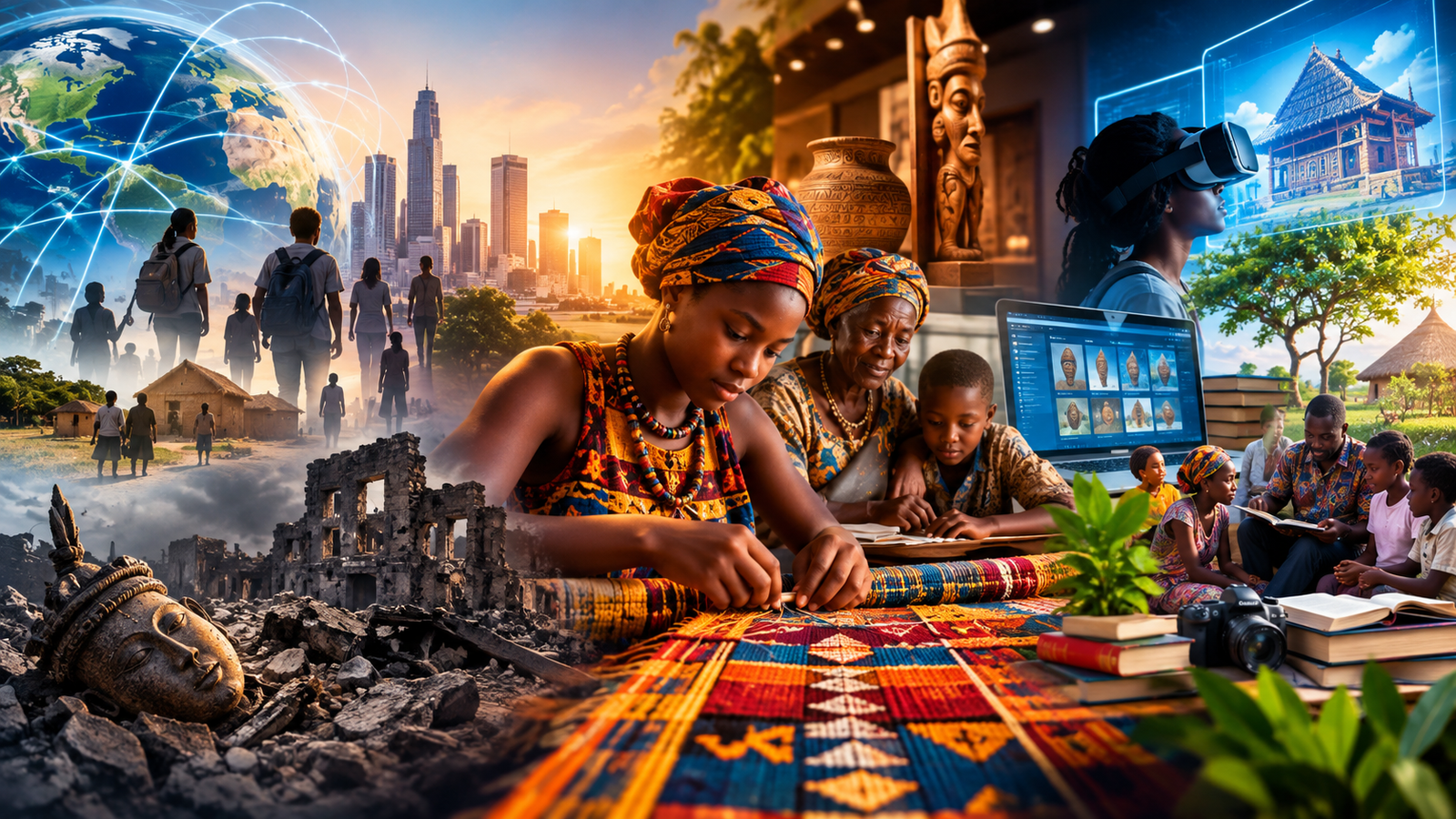
Throughout this series, we’ve explored the beauty and power of cultural legacy. But the reality is, this intricate tapestry faces significant challenges in our modern world. Let’s delve into the threats and explore strategies to ensure these traditions continue to thrive.
Modern Threats to Cultural Legacy:
Globalization’s Blending Pot: As the world becomes more interconnected, cultures inevitably come into contact. While this exchange can be enriching, it can also lead to a homogenization of traditions, with dominant cultures potentially overshadowing local practices.
The Digital Divide: Technology offers exciting possibilities for preserving cultural knowledge. However, the digital divide can leave some communities behind, with their traditions at risk of fading away in the shadows of the internet age.
Urbanization and Displacement: The rapid movement of people from rural to urban areas can lead to the erosion of traditional ways of life. Generational gaps widen, and valuable knowledge transmitted through hands-on experience can be lost.
War and Conflict: Sadly, war and conflict often target cultural heritage as a way to dismantle a community’s identity. Historical sites are destroyed, languages suppressed, and traditional practices disrupted.
The Fight for Preservation: Strategies for a Brighter Future
Despite the challenges, there’s a growing global movement dedicated to safeguarding cultural legacies. Here are some rays of hope:
UNESCO’s Intangible Cultural Heritage List: This list by the United Nations Educational, Scientific and Cultural Organization (UNESCO) aims to raise awareness of and provide support for the intangible aspects of cultures, such as traditional practices, rituals, and oral traditions.
Community-Based Initiatives: Many communities worldwide are taking the initiative to document and revitalize their traditions. This can involve language revitalization programs, workshops focused on traditional crafts, or cultural centers dedicated to preserving knowledge.
Museums and Archives: These institutions play a vital role in safeguarding cultural artifacts, stories, and recordings. By making these resources accessible, they ensure the past continues to inform the present.
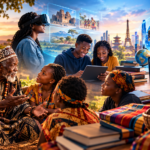
Technology as a Tool for Preservation: As mentioned earlier, technology can be a powerful ally in cultural preservation. Digital archives, online language learning tools, and virtual reality experiences all hold the potential to breathe new life into ancient traditions.
A Shared Responsibility
Preserving cultural legacy isn’t just the responsibility of museums or governments; it’s a collective effort. Here’s what you can do:
- Learn about and celebrate your own cultural heritage.
- Support organizations working on cultural preservation.
- Attend cultural events and festivals.
- Share stories and traditions with younger generations.
By taking action, we can ensure that the vibrant tapestry of cultural legacies continues to inspire and educate future generations.